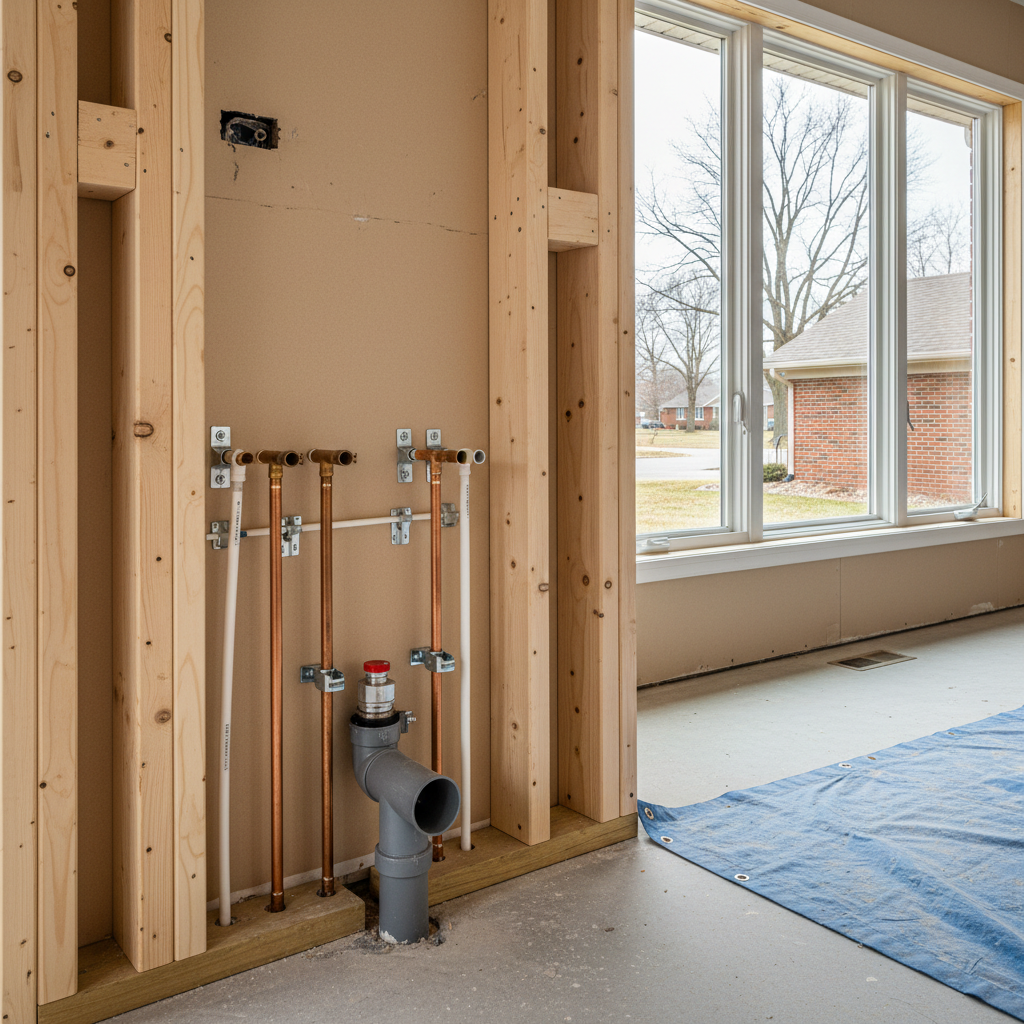
Alright, let's talk about something most folks don't really think about once the walls are up: your plumbing rough-in. That's all the pipes, drains, and supply lines tucked away behind your drywall and under your floors. It's truly the backbone of your home's water system, and just because you can't see it doesn't mean it doesn't need a little TLC. Ignoring it? Well, that's usually how you end up with a major headache — and a hefty repair bill, too.
Making Your Hidden Plumbing Last Longer
You want your plumbing rough-in to last as long as possible, right? Who wouldn't? A lot of it actually comes down to what you do on the visible side of things. First off, be super careful about what goes down your drains. Grease, coffee grounds, hair – these are your sworn enemies. They build up, they clog, and eventually, they put a real strain on your whole system. So, use drain strainers in sinks and showers. It's such a simple fix, but it makes a huge difference.
Another big one, especially here in Freeport with our cold winters, is keeping pipes from freezing. Even though the rough-in usually sits inside your heated space, sometimes lines run through exterior walls or crawl spaces. Make absolutely sure those areas are insulated properly. If you're heading out of town in winter, keep your thermostat set to at least 55 degrees. A burst pipe from freezing can cause catastrophic damage, and believe me, I've seen it happen to folks who thought they were totally safe.
Also, pay some attention to your water pressure. High water pressure can really stress your pipes and fittings, which leads to leaks over time. If you notice your faucets are practically blasting water out, it might be worth getting a pressure regulator installed. It's a small investment, sure, but it protects your entire plumbing system.
What Does Regular Maintenance Even Look Like?
So, what can you actually do for something you can't even see? More than you'd think. First, listen to your pipes. Any banging, whistling, or gurgling sounds? Those are often signs of trouble. Banging can mean loose pipes or water hammer, which can damage connections. Gurgling usually points to a venting issue or a partial clog – not good.
Periodically, check under all your sinks and around your toilets for any signs of moisture. Even a tiny drip can lead to big problems like rot or mold if you just let it go. You're looking for water stains, warped cabinet bottoms, or maybe a musty smell. Don't just wipe it up and forget it; find the source, okay?
Once a year, it's a good idea to flush your water heater. This helps get rid of sediment that can build up, reducing its efficiency and putting less stress on your supply lines. If you're not comfortable tackling it yourself, New Look Kitchen Inc can certainly help you out with that.
Warning Signs You Absolutely Shouldn't Ignore
Some things are more urgent than others. If you see any of these, don't wait:
- Sudden drop in water pressure: This could mean a major leak somewhere in your system, or a problem with your main water line.
- Unexplained wet spots on walls, ceilings, or floors: This is a classic sign of a hidden leak. The water has to come from somewhere, and it's usually a pipe, isn't it?
- Musty odors: Persistent damp or moldy smells often indicate a hidden leak that's causing mold growth.
- Discolored water: If your water suddenly turns rusty or cloudy, it could be corrosion in your pipes or an issue with your water heater.
- Higher water bills: If your bill jumps significantly without you changing your usage, there's a good chance you've got a leak somewhere.
These aren't things to brush off. They're basically your plumbing system screaming for attention.
When to Call a Professional
Look, I'm all for DIY, but some jobs are definitely best left to the pros. If you're seeing any of those serious warning signs I just mentioned, or if you suspect a leak but just can't pinpoint it, it's time to call in a licensed plumber. Trying to fix a hidden leak yourself can often make things worse, leading to more extensive damage and a bigger repair bill down the road.
Also, if you're dealing with persistent clogs that your plunger just can't handle, or if you're hearing strange noises you can't identify, a professional has the tools and expertise to diagnose and fix the problem safely and effectively. We've got cameras to inspect pipes, and the know-how to deal with everything from old galvanized pipes in some of Freeport's older homes to modern PEX systems.
Don't wait until a small issue turns into a flood. Regular vigilance and knowing when to call for help will save you a lot of grief and keep your home's plumbing running smoothly for years to come.